
Lovemore Kadzura-Mutare Bureau
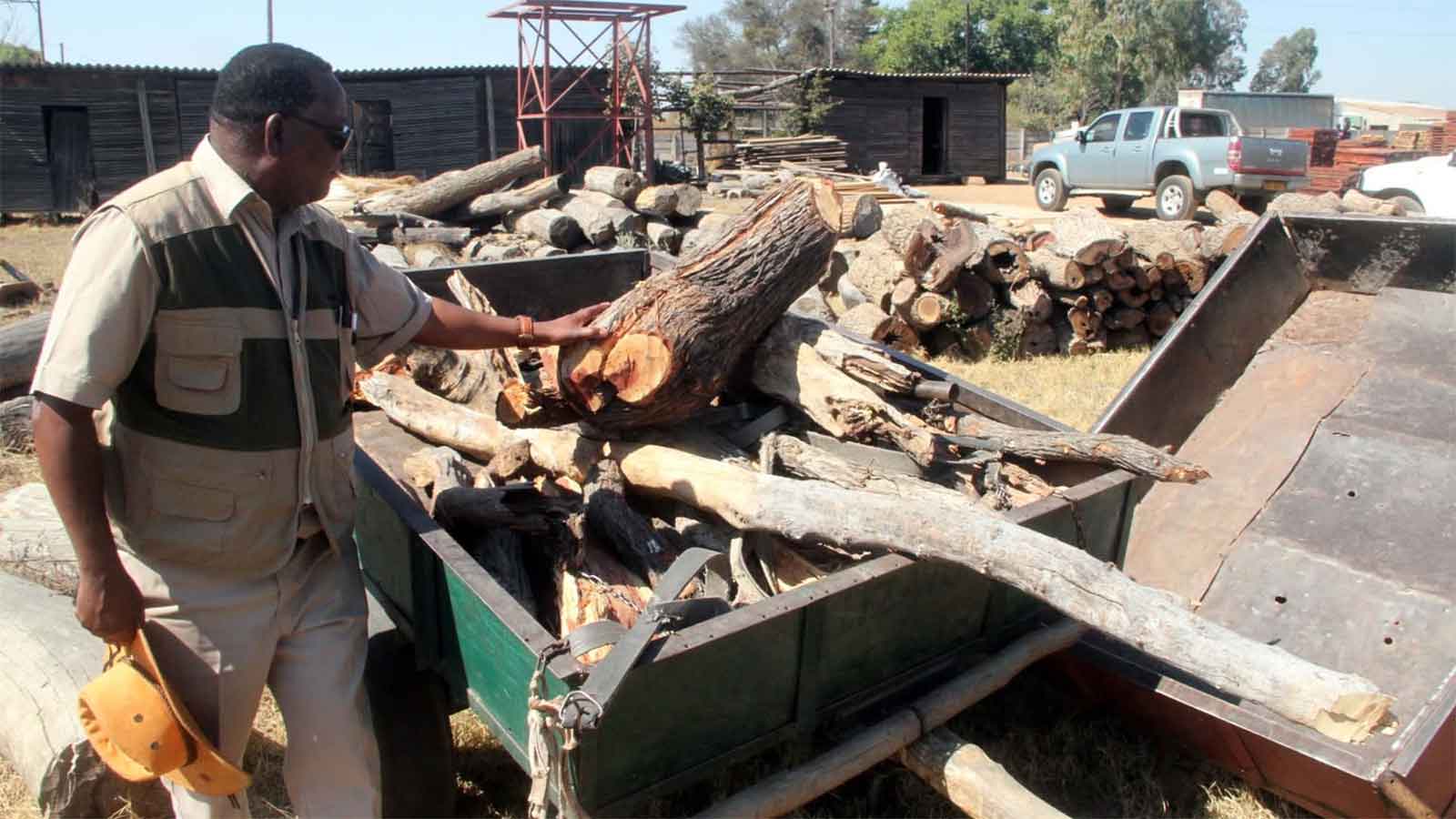
Forestry officials in Manicaland have intensified efforts to combat indigenous timber poaching and charcoal production, resulting in the confiscation of over 22 tonnes of charcoal and 13m³ of timber in the province last year.
The crackdown, led by the Forestry Commission, has seen a number of offenders issued with tickets, as authorities strive to protect the province’s indigenous tree species from commercial exploitation.
The relentless harvesting of timber and production of charcoal pose a significant threat to Manicaland’s ecosystem, with far-reaching consequences for the environment, biodiversity and local communities.
Deforestation exacerbates soil erosion, increases the risk of landslides, and reduces water catchment areas, ultimately affecting agricultural productivity and livelihoods.
Charcoal production, in particular, has devastating effects on the environment, as it requires large quantities of wood and contributes to widespread deforestation.
Forestry Commission of Zimbabwe Manicaland Provincial Manager, Mr Philip Tom, said their efforts aim to curb destructive practices and promote sustainable forest management.
The public is encouraged to report any suspicious activities to the commission, as the battle to protect forests continues.
Mr Tom said indigenous trees such as musharu, mupani, musasa, mutondo, muunze and mupfuti have been mainly targeted for charcoal production, with the practice rife in Chipinge, Chimanimani, Mutare, Buhera and Nyanga districts.
“Harvesting indigenous trees is illegal and offenders will be arrested. We will continue with raids into hot spots, working closely with communities and their traditional leaders who are providing information to us. Even charcoal sourced from neighbouring countries is not allowed,” said Mr Tom.
National Tree Ambassador, Mr Never Bonde, said there is a need to introduce strict laws and deterrent sentences to reduce forest destruction for charcoal making and tobacco curing.
He argued that current low fines, coupled with confiscation, are not enough.
“Charcoal production is depleting forests at alarming levels. For one to produce just a 50 kg sack of charcoal it takes the destruction and burning of several trees. It is reckless to destroy in minutes trees which take decades to mature.
He added that tobacco farming is also causing serious deforestation, as some farmers continue to use indigenous tree species to cure the crop.
Mr Bonde stressed the need to tighten monitoring of both farmers and contractors to ensure the ban on indigenous trees is observed.
He also called for strengthening the tree planting programme and embracing indigenous species in reforestation efforts.
“Currently the Sustainable Forestry Association is concentrating on eucalyptus mainly. They need to embrace indigenous species to replace those destroyed.
“Communities must be educated on the benefits of local trees, and economic programmes such as bee-keeping must be availed to them.