
Theseus Mauruki Shambare
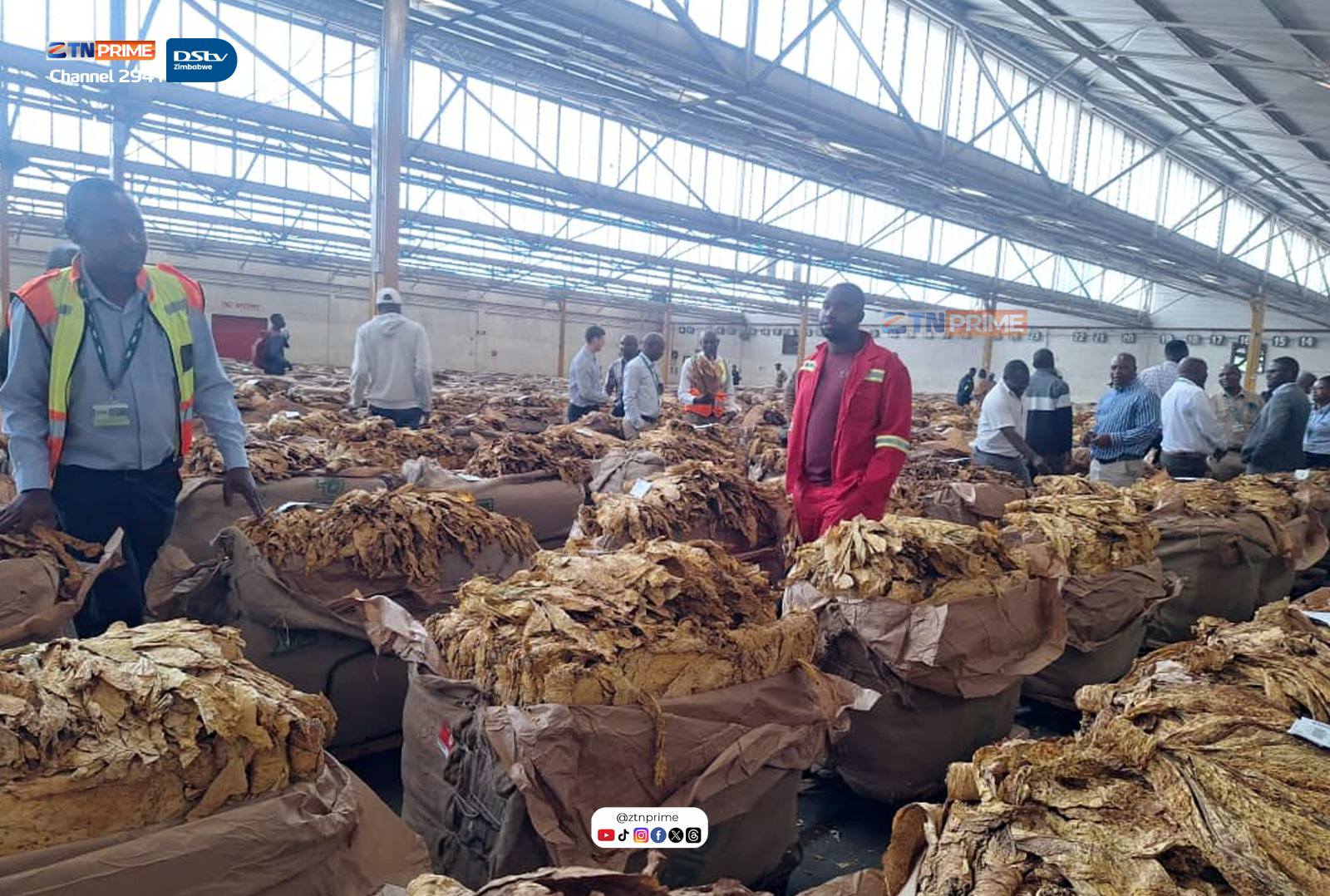
THE tobacco marketing season continues to record strong performance, with farmers earning over US$673 million from sales so far, as authorities intensify calls for growers to destroy tobacco stalks to protect future crops.
Statistics released by the Tobacco Industry and Marketing Board (TIMB) show that by May 21, farmers had sold 266 048 071 kilogrammes of tobacco valued at US$673 076 147, reaffirming tobacco’s position as Zimbabwe’s leading agricultural export crop.
The strong sales come as farmers across major tobacco-growing regions begin preparing for the next production season following the peak marketing period.
At the same time, TIMB has warned that failure to destroy tobacco stalks after harvesting threatens future production, crop quality and profitability.
Under the Plant Pests and Diseases Act (Chapter 19:08), all tobacco growers are legally required to destroy tobacco stalks by May 15 each year.
TIMB said tobacco stalks left standing in fields provide breeding grounds for pests, diseases, viruses and nematodes that survive between seasons and later attack newly planted crops.
“Those leftover stalks become homes for pests, diseases, viruses and nematodes. They allow these destructive organisms to survive from one season to another, waiting quietly for the next tobacco crop to emerge,” said TIMB.
The board said proper stalk destruction involves uprooting the entire tobacco plant and removing all living roots from the soil to create what experts describe as a “dead period”, during which no living tobacco plants remain in the fields.
According to TIMB, this process disrupts pest and disease cycles and significantly reduces infestations in the next farming season.
The regulator warned that failure to comply with the regulations often results in higher production costs as farmers are forced to increase spending on agrochemicals to control persistent pests and diseases.
“Some pests even become resistant to chemicals over time, forcing growers to increase dosages and buy more agrochemicals just to achieve the same results,” the board said.
The warning comes at a time when farmers are already facing subdued global tobacco prices and rising input costs, factors that continue to squeeze profit margins in the sector.
Agricultural experts say stalk destruction remains one of the cheapest and most effective methods of controlling pests and diseases.
TIMB also stressed that maintaining healthy tobacco fields is critical in preserving the quality and competitiveness of Zimbabwean tobacco on international markets.
Diseases such as Tobacco Mosaic Virus can negatively affect the colour, texture, chemical composition and market value of tobacco leaves.
“Zimbabwe’s tobacco has earned international respect because of its quality, consistency and flavour profile. Protecting that reputation begins in the field with good agricultural practices,” said TIMB.
The regulator further reminded growers that June 1 remains the earliest legal date for establishing tobacco seedbeds, warning that early planting exposes seedlings to pests and diseases.
Farmers were also encouraged to adopt crop rotation after stalk destruction to improve soil fertility, naturally suppress pests and boost yields.
TIMB urged growers who have not yet complied with stalk destruction regulations to act urgently to protect both their farms and the wider tobacco industry.